Yoga Circle Times
14th August 2026 Issue No. 1
Tip of the Week

How to Sleep Better, Starting Tonight

How to sleep better tonight cover illustration
"Keep your phone away for at least 30 minutes before bedtime"

Messages, videos and constant scrolling keep your brain active when it should be slowing down. Tonight, place your phone away from the bed and let those last 30 minutes be quiet. Follow a simple bedtime ritual:

  1. Read 2-3 pages of a calm book, magazine, or devotional text.
  2. Listen to soft instrumental music at low volume.
  3. Listen to the Yognidra Audio on our channel.
  4. Say a short gratitude prayer or mentally list 3 good things from the day.
  5. Sit on the bed and do 5 slow deep breaths or light chanting like "Om."

These small habits can help your mind settle and make falling asleep easier.

Wellness Corner

Why do we not lose weight even after eating only home food?

Home food is comforting, but "ghar ka khana" can still lead to weight gain when everyday habits quietly add up. A little extra oil in sabzi, 2-3 rotis instead of 1-2, sugary tea with biscuits, or eating rice and roti together can give the body more than it needs.

A simple change is to divide your meal into two parts. Eat the first portion slowly, then wait 5 minutes before taking the second. If you still feel hungry, have the rest.

Small pauses like this help the body recognise when it has had enough.

Yoga Basics

Common mistakes in Setu Bandhasana

Setu Bandhasana bridge pose illustration

In Setu Bandhasana, many people think lifting the hips higher gives more benefit, but this often puts pressure on the lower back. The goal is not height, but safe alignment. Keep both feet flat and press them evenly into the floor. Make sure your knees stay in line with your toes and do not fall inward or open too wide. Lift only until you feel the stretch in your thighs and hips, not pain in the back. Keep your head still and never turn your neck in this pose.

Healthy Cooking Methods

Healthy cooking is not only about using less oil, but also about using the right oil for the right dish. Different oils work better for different kinds of cooking, and using just one oil for everything may not be the best choice. Keeping 4-5 oils at home and rotating them can make meals both tastier and more nourishing.

How to use each oil


Mustard oil illustration

Mustard oil

Good for sabzi, fish, and Bengali-style cooking; adds strong flavour.

Groundnut oil illustration

Groundnut oil

Good for deep frying and everyday Indian cooking; stays stable at high heat.

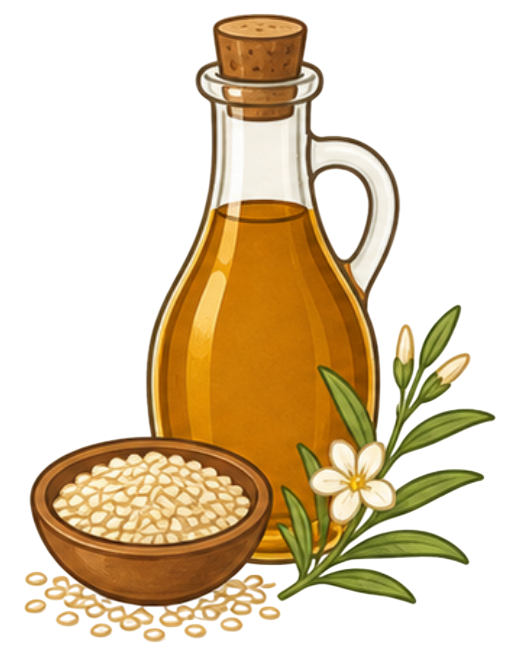
Sesame oil illustration

Sesame oil

Good for South Indian dishes, chutneys, and light sauteing.

Ghee illustration

Ghee

Good in small amounts for rotis or dal. Adds taste and helps satisfaction.

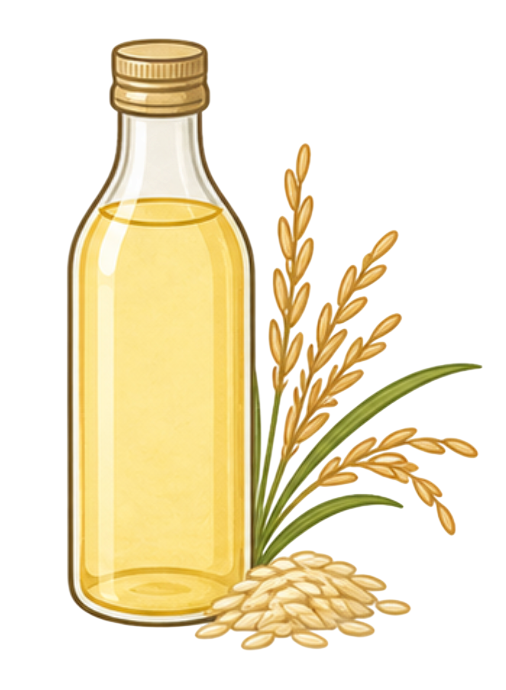
Rice bran oil illustration

Rice bran oil

Good for shallow frying and regular cooking; light in taste.

In The Spotlight
Usha Acharya
Pratiksha Thakur
Chandrasekharan Ambramoli
Viji Gopalakrishnan
Vandana Ramesh Wankhede
Usha Kiran
Poornima Krishnamurthy
Jasjeet Kaur
Rajasree
Manjunath Varadaraju
Ranjana
Manjushree Mukherjee
Sudha Narayan
Rajkumari Meena Devi
Rachna Thakur
Indu Bajirao
Neeraj Sharma
Vijay
Jhuma Chakraborty
Swarna Raj
Anita Dutta
Urwashi Chawla
Kalpana Salunkhe
Kunal Jethwani
Kirti Puri
Atul Shah
Rajni
Rashmi Kulkarni
P C
Smita Prabha
Dipa Pattanaik
Sunita Sinha
Usha Rani
Sabina
Jaladi
Mrinal Kanti Roy
Keerthi
Rumpa
Asha Nama
Geeta Jha
Malli
Nimish Shukla
Chitra
Anjana Dhirawani
Surekha
Anita Kansal
Diksha Singh
Anita Peter
Community Voices

Sakshi Misra

Community message from Sakshi Misra

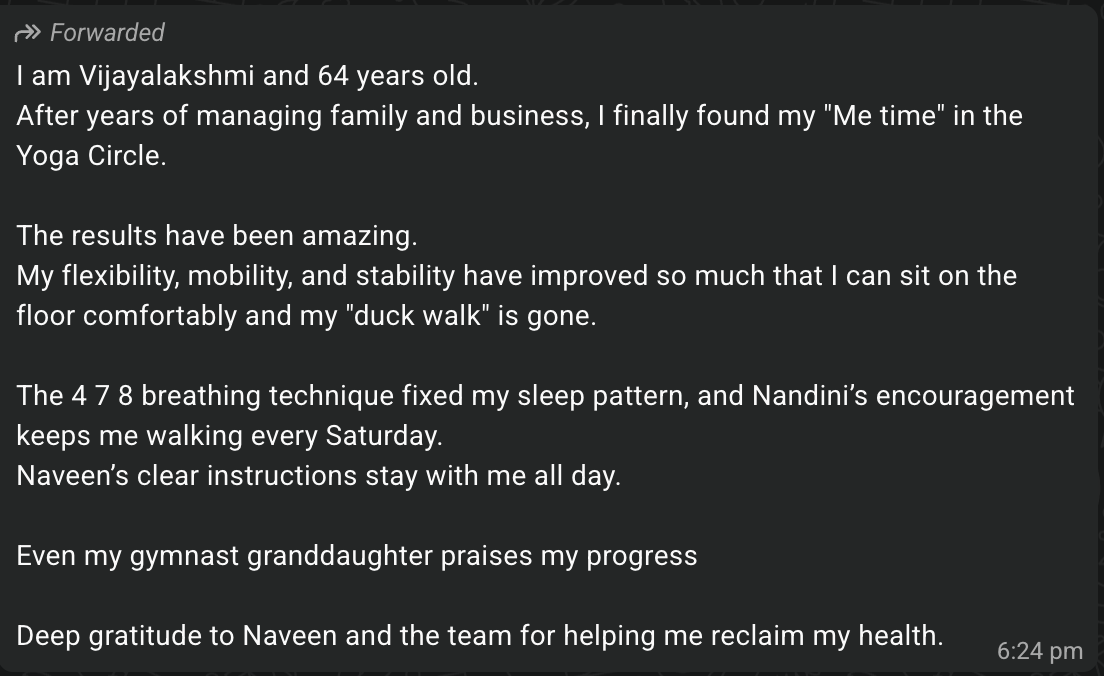
Vijayalakshmi

Community message from Vijayalakshmi
Recipe Corner

Lauki Chana Dal Curry


Ingredients

  • 1 cup bottle gourd (lauki), peeled and diced
  • 1/2 cup chana dal, soaked for 1 to 2 hours (You can also use moong dal instead if you want a lighter, quicker-cooking option)
  • 1 medium onion, finely chopped
  • 1 medium tomato, chopped
  • 1 tsp ginger-garlic paste
  • 1 green chilli, slit (optional)
  • 1 tsp cumin seeds
  • 1/2 tsp turmeric powder
  • 1 tsp coriander powder
  • 1/2 tsp red chilli powder (optional)
  • 1/2 tsp garam masala
  • 1 tbsp oil or 1 tsp ghee
  • 2 1/2 to 3 cups water
  • Salt to taste
  • Fresh coriander leaves for garnish
  • 1 tsp lemon juice (optional)

Method

  1. Wash and soak the chana dal for 1 to 2 hours, then drain. If using moong dal, soaking is optional.
  2. Heat oil or ghee in a pressure cooker or deep pot. Add cumin seeds, then saute the onions until translucent.
  3. Stir in ginger-garlic paste, then add tomatoes, turmeric, coriander powder, and chilli powder. Cook until the tomatoes soften.
  4. Add the chana dal and lauki, mix well, then pour in water and add salt.
  5. Pressure cook for 3 to 4 whistles, or cover and simmer in a pot for 30 to 35 minutes until the dal is tender. If using moong dal, it will cook faster.
  6. Stir in garam masala, simmer briefly if needed, then garnish with fresh coriander and lemon before serving.

Why this is good for you

During the monsoon, lauki can be a smart choice because it has high water content and feels light and soothing on the stomach. This dal is a simple way to enjoy something warm, nourishing, and hydrating at the same time.