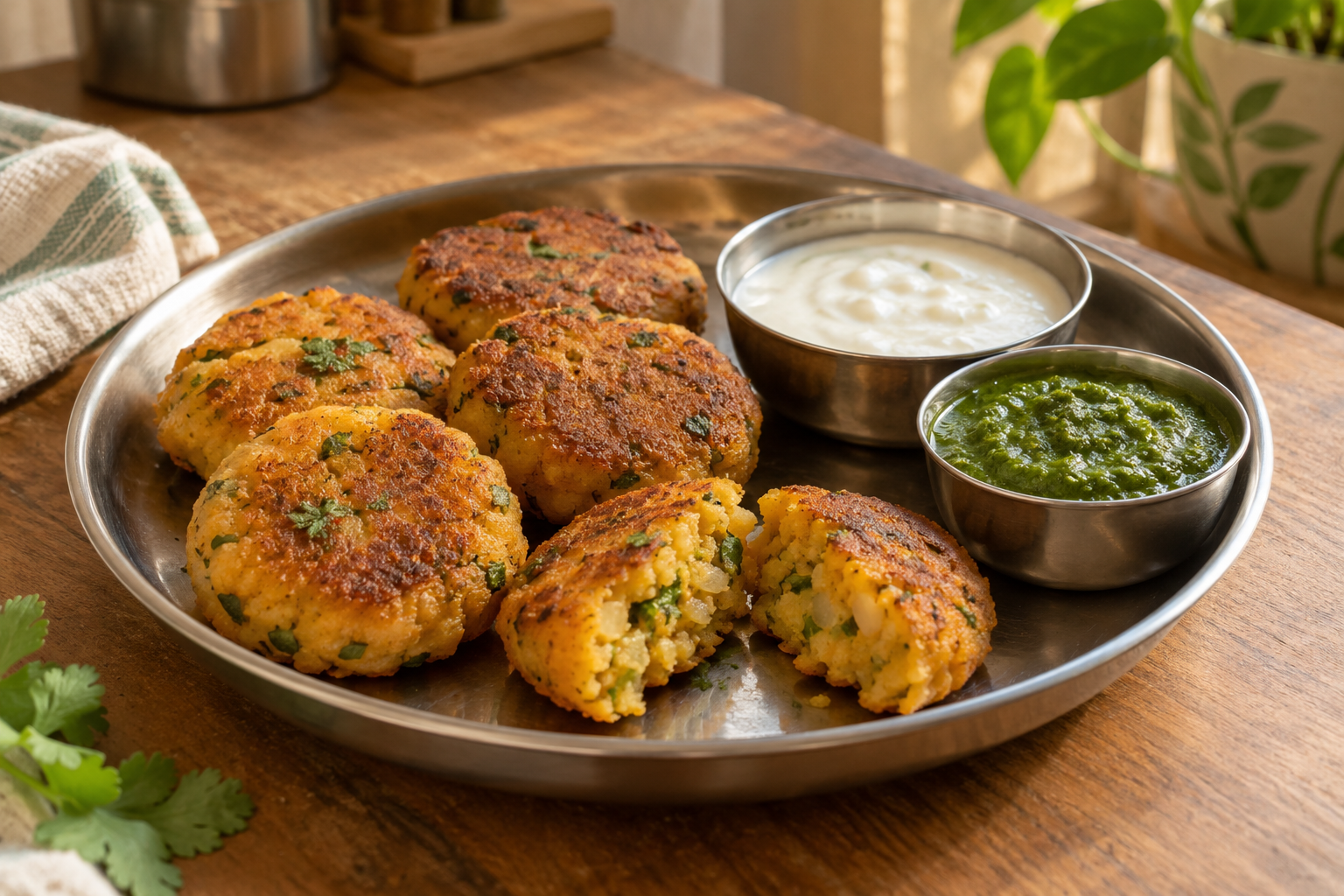
Why Your Everyday Meals Need More Protein
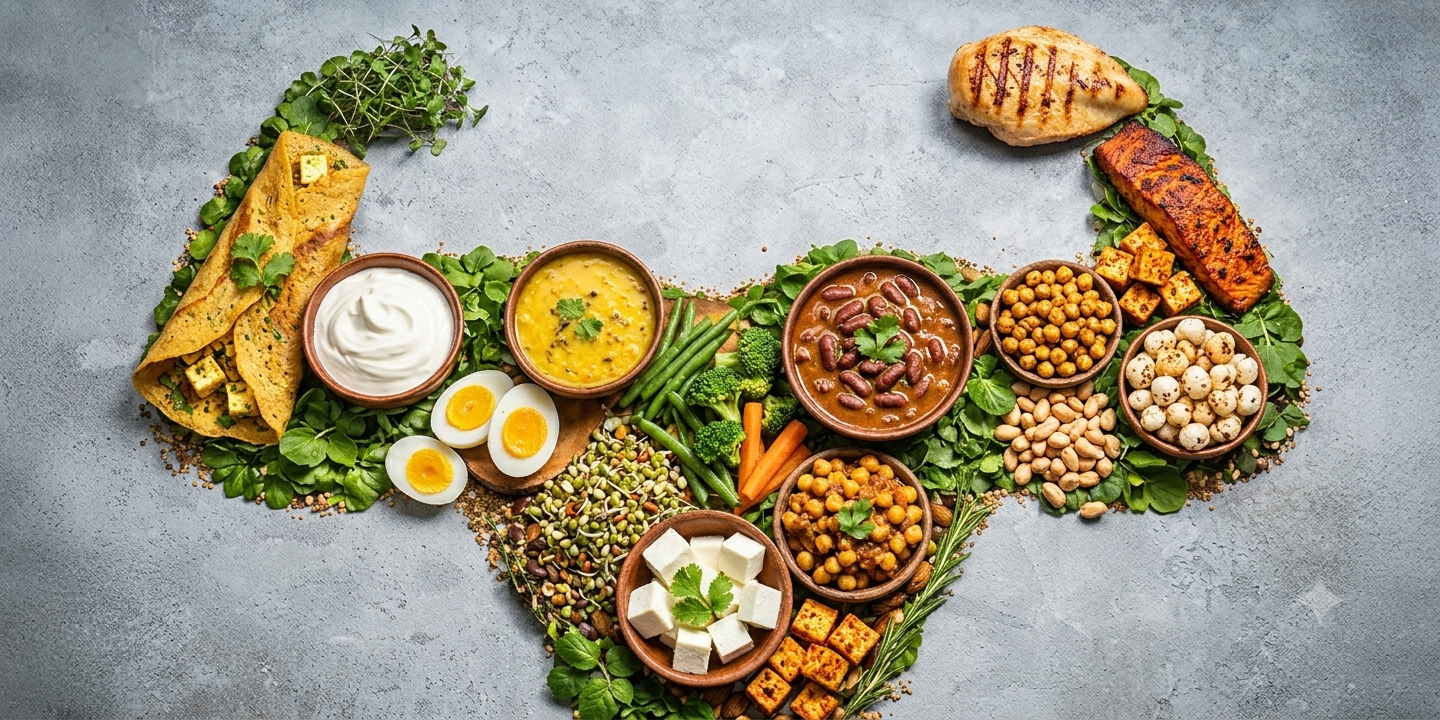
As we get older, we tend to lose muscle and strength, especially when we are less active. Our muscles also become less responsive to the protein we eat. Getting enough protein, alongside regular strength-building exercise, helps maintain the muscles we use to climb stairs, carry groceries and stay independent.
How Much Do You Need Every Day?
For many healthy older adults, around 1–1.2 grams of protein per kilogram of body weight a day is a useful target.
Simple maths: If you weigh 60 kilograms, that works out to around 60–72 grams of protein a day.
This means grams of protein, not the weight of the food. A 100-gram serving of paneer, for example, does not contain 100 grams of protein.
Rice, roti and poha can remain part of your meals. Pair them with a protein source to make your plate more balanced.
How to Eat Protein Throughout the Day
- Breakfast: Besan chilla with curd, eggs with toast, or paneer added to your poha.
- Lunch: A generous serving of dal, rajma or chana, with curd alongside your roti or rice.
- Evening snack: Curd, roasted chana, or a small handful of peanuts.
- Dinner: Paneer, tofu, fish, chicken or well-cooked dal with vegetables and your usual roti or rice.
Spread your protein across meals rather than leaving most of it for dinner. Portions matter: a few spoonfuls of dal may not contribute much.
Your daily goal: Include a protein source at each main meal. Small, consistent additions can help you meet your daily target.
If you have kidney disease or have been advised to limit protein, ask your doctor or dietitian about the right amount for you.